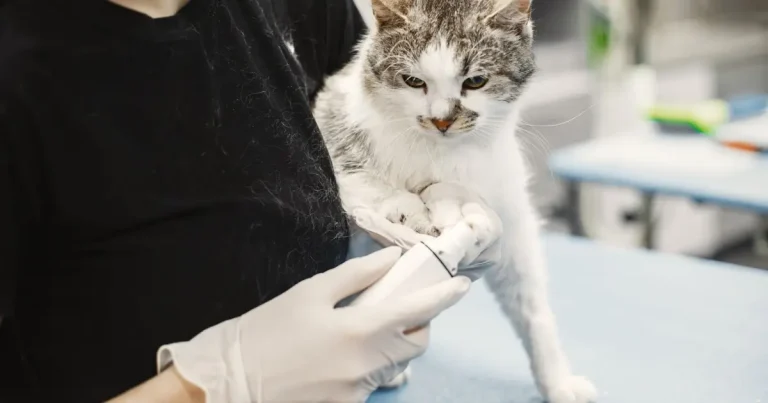

You are holding a nervous terrier still on an exam table while the veterinarian checks its ears. The owner is asking questions, the next appointment is already in the lobby, and in ten minutes you will be cleaning a kennel, restocking a room and logging the visit in the system. That is a normal hour for a veterinary assistant. If it sounds like a good kind of busy, Banfield Pet Hospital, one of the largest general veterinary practice networks in the U.S., is one of the employers that hires for it.
Who Banfield is and what it hires for
Banfield operates general-practice veterinary hospitals across the country, many located inside or near pet supply stores, and it is an affiliate of Mars, Incorporated. Its careers site groups jobs into veterinarians, veterinary technicians, hospital staff and students. Entry-level candidates usually look at two hospital roles: veterinary assistant and client service (front desk). Credentialed veterinary technicians form a separate category with its own requirements.
What a veterinary assistant does
Assistants support veterinarians and credentialed technicians. Typical tasks include restraining animals safely during exams and procedures, taking basic measurements such as weight and temperature, preparing exam rooms, cleaning and sterilizing equipment, caring for hospitalized pets, keeping kennels clean, helping with inventory and updating records. Assistants do not perform tasks that state law reserves for veterinarians or licensed technicians, and those limits differ from state to state.
The work is physical. You lift animals, stand for long stretches and deal with bites, scratches and unpleasant smells. You also deal with worried owners, and sometimes with euthanasia appointments. People who last in the job tend to like both animals and people.
Requirements in Banfield postings
Requirements vary by hospital and posting. One veterinary assistant posting we reviewed asked for a certificate of completion from a NAVTA-approved veterinary assistant program, or an equivalent combination of education, training and experience. In practice, that means formal training helps, and relevant experience (kennel work, shelter volunteering, grooming, another clinic) can substitute. Expect to need a high school diploma or equivalent, the ability to lift and restrain animals, and flexibility for evening and weekend shifts. A background check after an offer is common.
NAVTA, the National Association of Veterinary Technicians in America, approves veterinary assistant programs that lead to its Approved Veterinary Assistant designation. These are short programs offered by some community colleges and online schools.
If you are deciding whether to pay for one, read local postings first. When several hospitals near you mention a NAVTA-approved certificate, the course is likely worth it. When they ask mainly for animal handling experience, volunteering at a shelter for a few months may get you further for no cost. Either way, keep a simple log of the animals you handled and the tasks you did, because interviewers in veterinary clinics often ask for specifics.
Benefits Banfield publishes
Banfield’s careers site lists paid time off it describes as having no negative accrual, free wellness plans for up to three of your own pets, fertility and family-building support, paid volunteer days and continuing education among its benefits. Pay varies by location; check the range on each posting where state law requires it. For national context, the U.S. Bureau of Labor Statistics reported a median pay of $38,150 a year for veterinary assistants and laboratory animal caretakers in May 2025, in its Occupational Outlook Handbook.
The path from assistant to credentialed tech
Many people take an assistant job to find out whether they want a longer veterinary career. The next step is usually becoming a credentialed veterinary technician (licensed, registered or certified, depending on the state). In most states that means graduating from a veterinary technology program accredited by the AVMA’s Committee on Veterinary Technician Education and Activities and passing the Veterinary Technician National Examination (VTNE), which is owned by the AAVSB. A few states also allow on-the-job or alternate pathways to the exam; the AAVSB’s VTNE pathway page explains which.
Banfield has a long-standing partnership with Penn Foster. Penn Foster’s Banfield partner page describes an AVMA-CVTEA accredited online veterinary technician associate degree whose graduates can sit for the VTNE, plus sponsorship or scholarships for Banfield associates. Banfield has also announced tuition support for non-credentialed associates working toward credentialed technician status. Terms and amounts change, so ask your hospital manager or HR what applies when you are hired.
Comparing your starting points
| Starting point | What you bring | Likely first role | Next step |
|---|---|---|---|
| No animal experience | Customer service, reliability | Client service or kennel-heavy assistant role | NAVTA-approved assistant course or on-the-job learning |
| Shelter, grooming or kennel work | Animal handling | Veterinary assistant | Consider an accredited vet tech program |
| Vet assistant certificate | Formal training | Veterinary assistant | Vet tech degree, possibly with employer support |
| Vet tech student | Clinical coursework | Assistant or student externship | Graduate, pass the VTNE, apply for credentialed roles |
How to apply
Use Banfield’s official careers site at jobs.banfield.com. Choose hospital staff roles, filter by your city and read each posting’s requirements. Apply online with a resume that highlights animal handling, customer service and any certificates; our guide on listing courses and certificates on a resume shows how to present a short program.
Cursos is an independent guide; we are not connected to Banfield Pet Hospital or Mars. Real employers will not ask you to pay to apply, for training or for equipment.
The bottom line
A Banfield veterinary assistant job is a realistic entry point for someone without a degree, especially if you can show animal handling experience or a short NAVTA-approved course. If you later want to become a credentialed technician, plan for an accredited program and the VTNE, and ask early about the education support Banfield offers its associates. No course guarantees a hire, so apply to several hospitals and keep building hands-on animal experience while you wait.